WhatsApp


+86-18601608662


Location: Home > News > Crushing knowlege > This page

Abstract:
When planning a crushing project, one of the most important decisions is whether to use a fixed or mobile crushing plant. Both have their own advantages and are designed for different scenarios. Understanding their differences will help you make the most cost-effective choice.
1. Fixed Crushing Plants
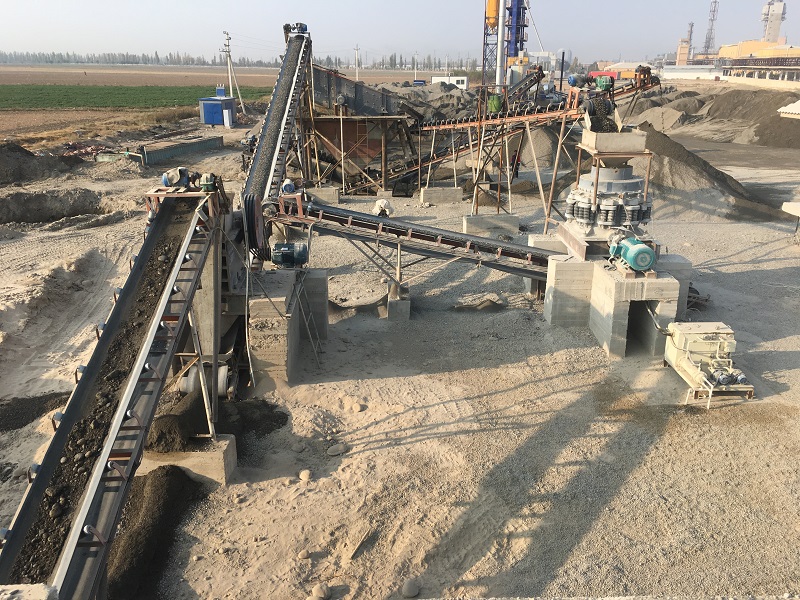
Fixed crushing plants are stationary installations built on a permanent foundation. They typically include jaw crushers, cone crushers, impact crushers, vibrating screens, and conveyors arranged in a line.
Advantages:
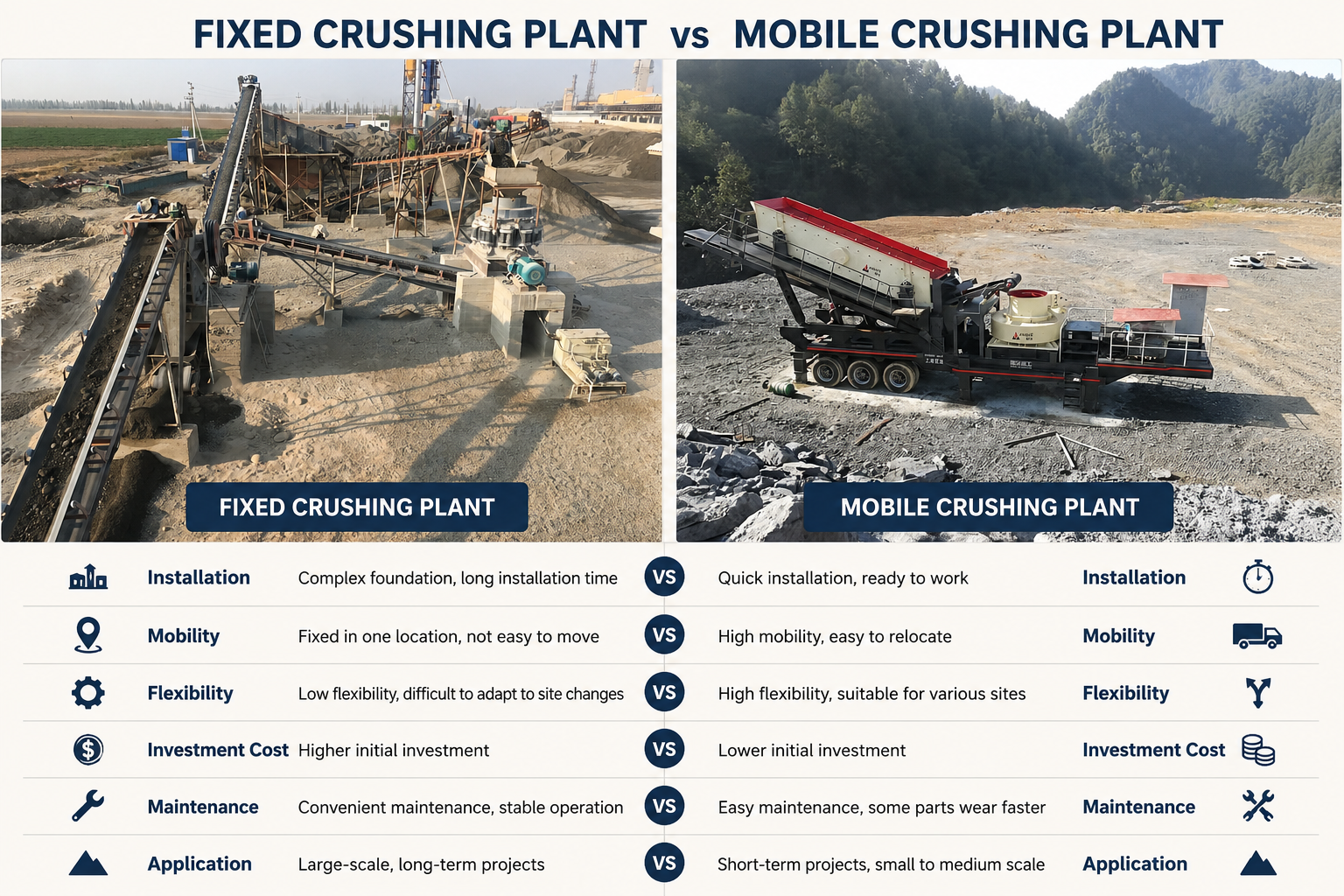
High production capacity, suitable for large-scale, long-term mining or quarrying operations.
Stable performance and low maintenance costs in continuous operation.
Lower long-term operational costs per ton of material processed.
Disadvantages:
High initial investment in infrastructure and installation.
Limited flexibility; cannot be moved easily if the quarry site changes.
Longer setup time, requiring civil engineering work for foundations.
2. Mobile Crushing Plants
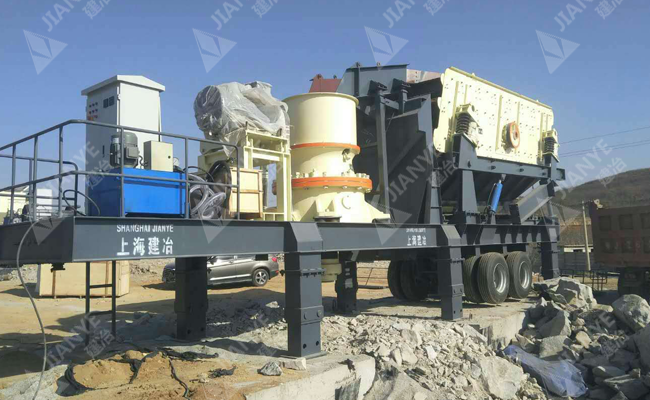
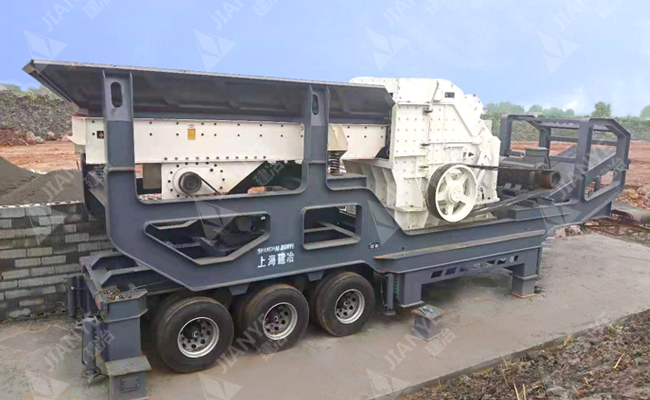
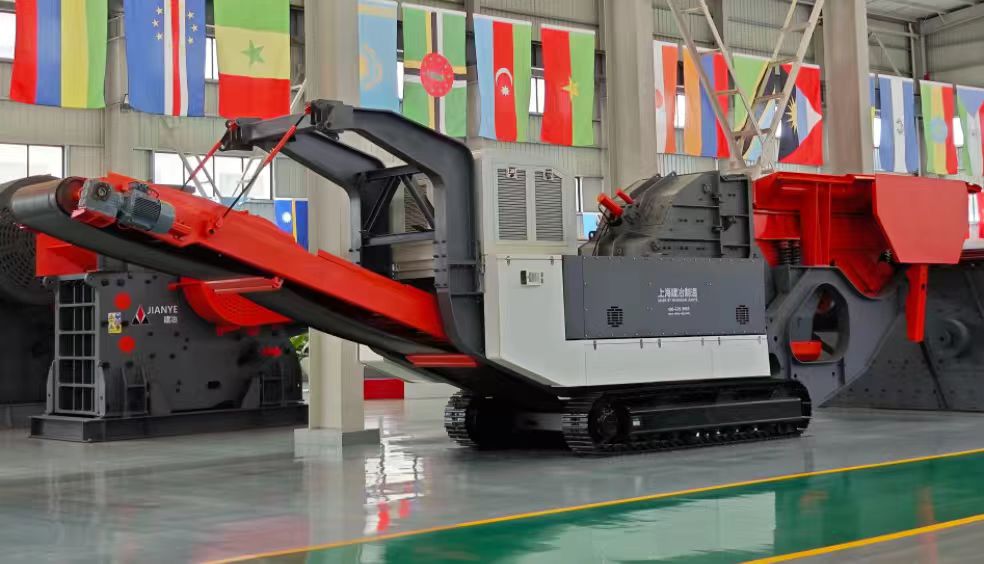
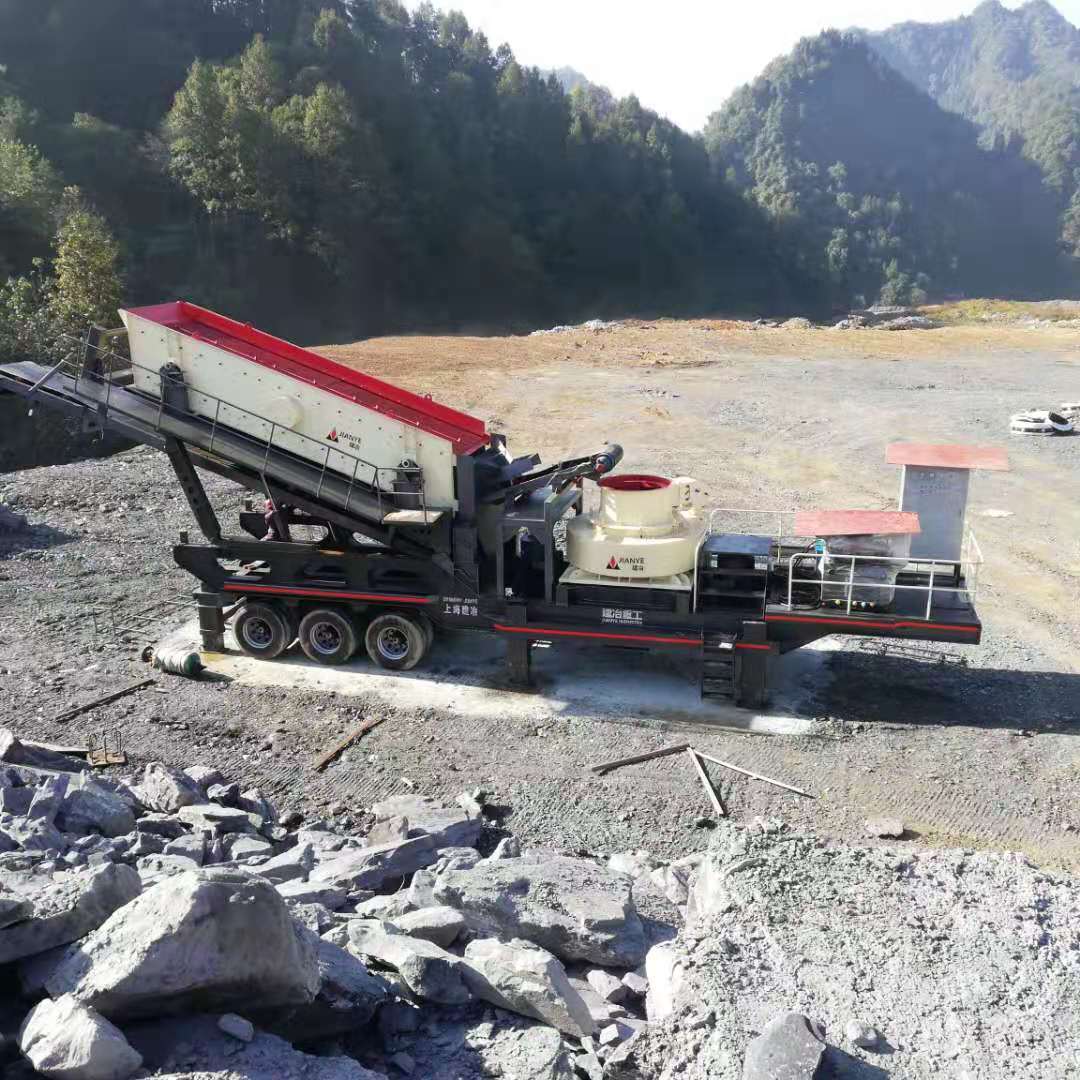
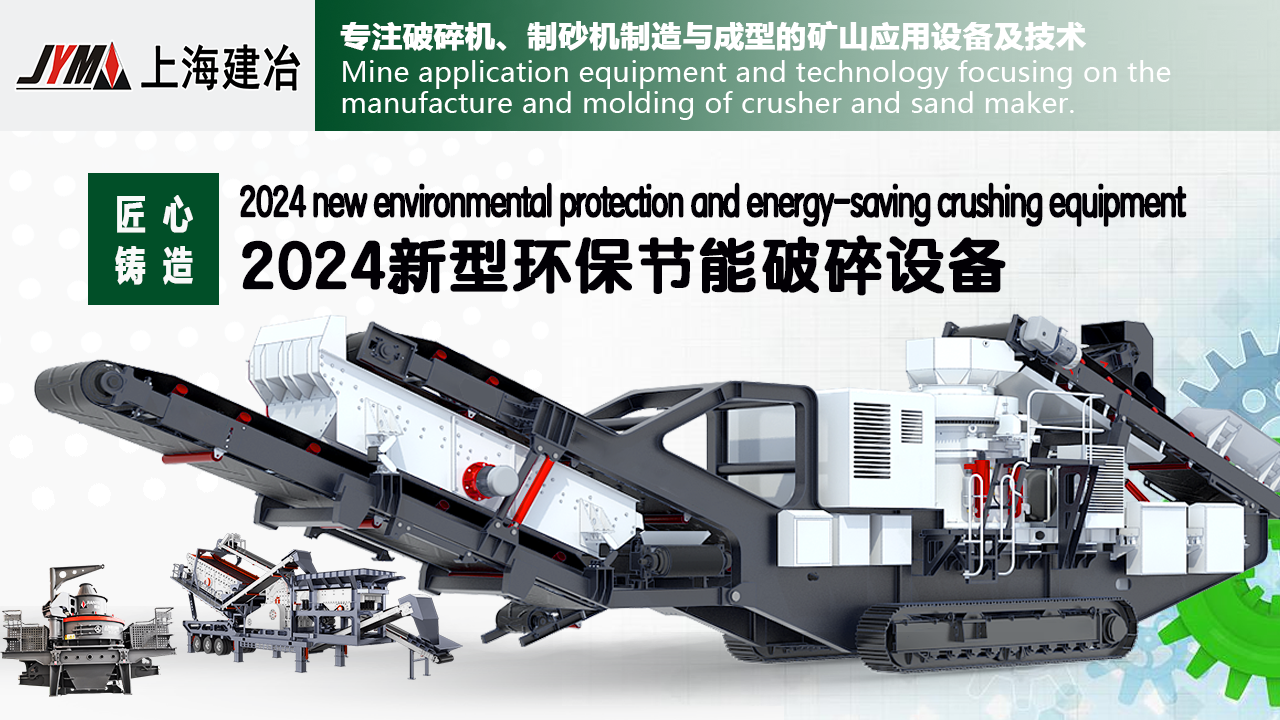
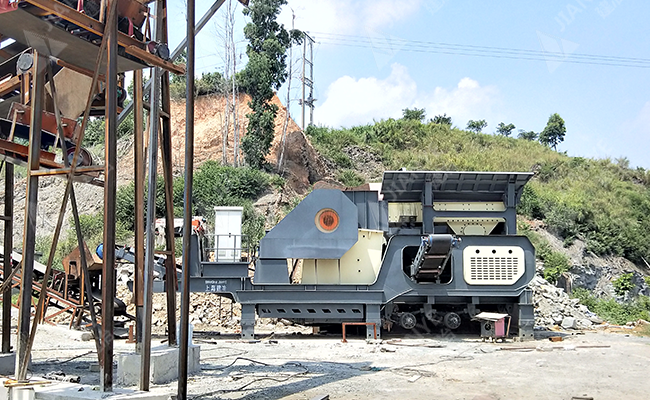
Mobile crushing plants are self-contained units mounted on wheels or tracks, combining feeding, crushing, screening, and conveying systems in one unit. They can be easily moved between sites.
Advantages:
High flexibility, ideal for short-term projects or scattered work sites.
No need for complex foundation work, reducing setup time and costs.
Can be moved close to the quarry face, reducing material transportation costs.
Disadvantages:
Lower production capacity compared to large fixed plants.
Higher operational costs due to fuel consumption and frequent relocations.
Limited equipment configuration options for complex multi-stage crushing.
3. How to Choose Between Them
Choose a fixed plant if: You have a large, permanent quarry with high annual output requirements, and low material transportation costs.
Choose a mobile plant if: You work on multiple sites, need to move frequently, or have a short-term project (road construction, demolition waste recycling).
Combination Option: Many large projects use mobile primary crushers at the quarry face to feed a fixed secondary and tertiary plant, balancing flexibility and capacity.
4. Conclusion
There is no universal answer to whether fixed or mobile plants are better. The choice depends on your project scale, duration, site location, and material transportation costs. By matching the plant type to your actual needs, you can optimize both capital and operational costs.
107reservation successful
Which Factors Should Be Considered When Choosing Between a Jaw Crusher and a Hammer Crusher for Basalt Processing?

When discussing sand production processes, two primary methods often come into focus: dry sand making and wet sand making.

The Workflow of a High-Pressure Grinding Mill
Which Factors Should Be Considered When Choosing Between a Jaw Crusher and a Hammer Crusher for Basalt Processing?
When discussing sand production processes, two primary methods often come into focus: dry sand making and wet sand making.
The Workflow of a High-Pressure Grinding Mill
Which Factors Should Be Considered When Choosing Between a Jaw Crusher and a Hammer Crusher for Basalt Processing?
When discussing sand production processes, two primary methods often come into focus: dry sand making and wet sand making.
The Workflow of a High-Pressure Grinding Mill
50R&D engineers
1000+user case representatives
41ypes of products are exported overseas
200+large and medium-sized digital devices
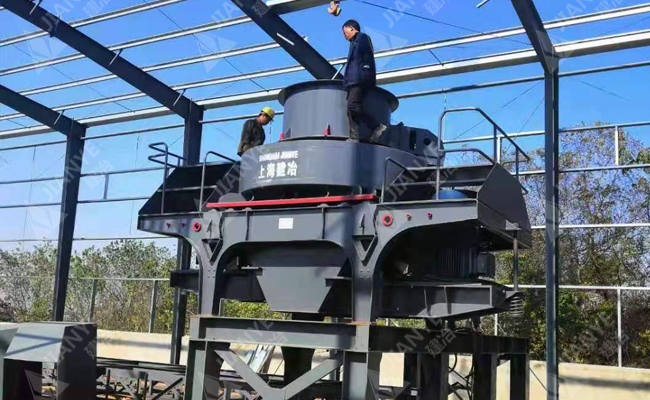
The user purchased two sets of sand production line, each set of equipment includes ZSW490*110 vibrating feeder, PE750*1060 jaw crusher, HST250 single-cylinder cone crusher, JYS1238 sand making machine, YK2460 vibrating screen, 3016 sand washer and so on.
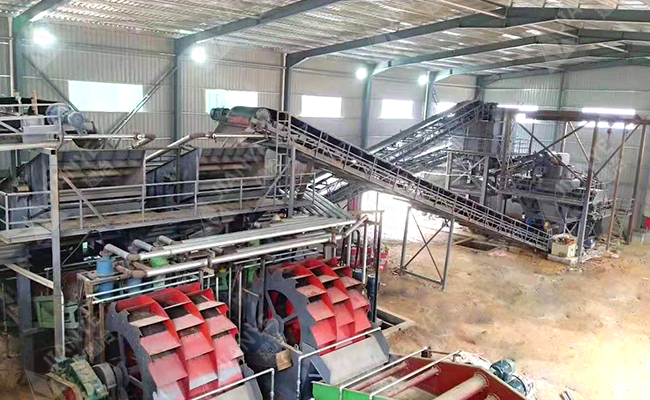
The designed capacity of this sand making project is 200t/h, and the equipment used includes 490*110 vibrating feeder, PE750*1060 jaw crusher, PF1315 impact crusher, 9928 sand making machine, two sets of 2460 vibrating screen, two sets of 920 single screw sand washer, two sets of XSD2816 sand washer, two sets of dewatering screen, and several belt conveyors.
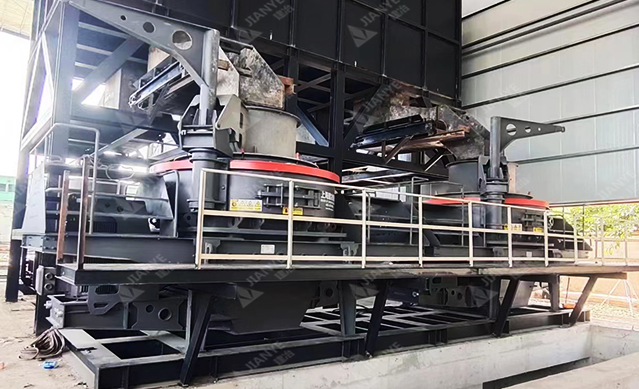
Project configuration: Jaw Crusher PE900*1200, Cone Crusher HST315T, Vertical Shaft Impact Crusher VSI6X1263, Heavy Duty Vibrating Screen 2YKZ3080/3YKZ3080, Vibrating Feeder ZG1220Z/ZSW1360, Twin Screw Sand Washer 2XL1120, Bar Vibrating Feeder ZSW1360B, Bucket Wheel Sand Washing Machine DS4024, dewatering screen TS2450 many types of equipment. They will work together with the whole production line to crush and process the sand trap cobbles and mountain ores into natural sand, mechanism sand, and uniform material.
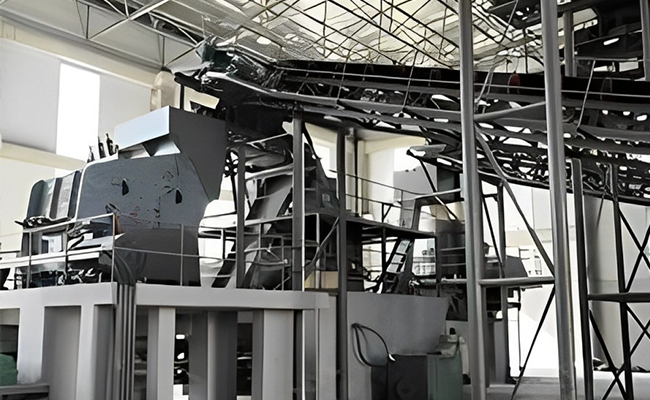
The finished products of the project are used for high-speed railway construction and neighbouring construction materials, which will strongly promote the local economic development. In the future, Jianye Heavy Industry Company will continue to give full play to its years of practical experience in the sand and gravel aggregate, construction waste resource reuse, industrial powder making, silica sand and other industries, as well as EPC one-stop turnkey services, to cooperate with customers and jointly promote the high-quality, healthy and sustainable development of the sand and gravel industry.
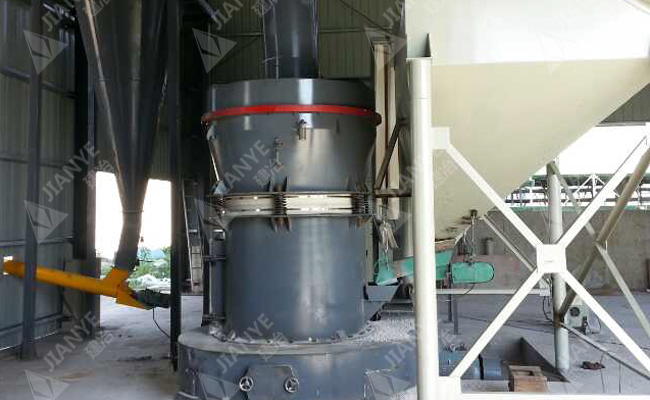
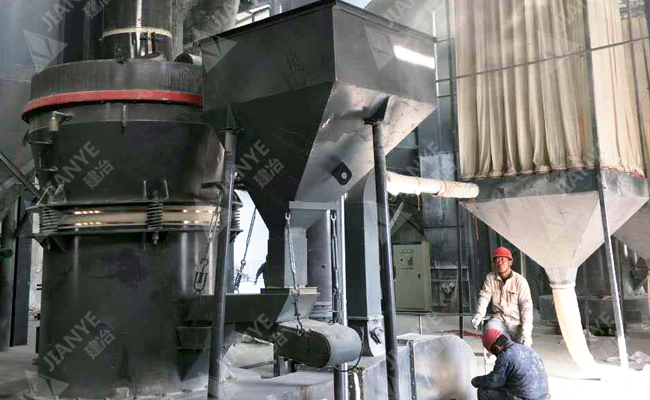
Jiangsu Rugao Calcium Powder Factory purchased two sets of Jianye 4121 high-pressure mills for the production of heavy calcium powder, which is mainly used in the filler industry and coating industry, and now it also maintains a close cooperation relationship with Jianye, and every year Jianye sends technicians or sales managers to visit the user.
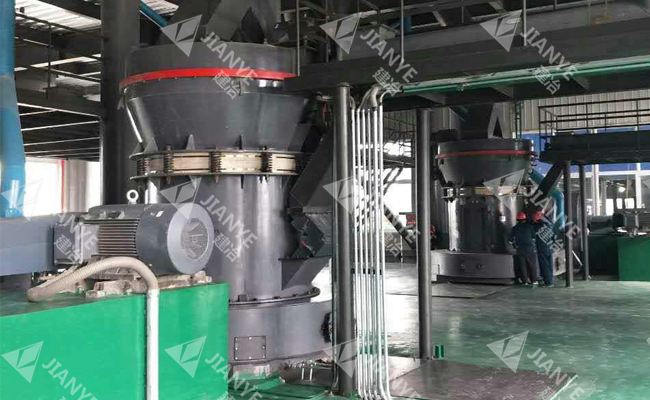
The user uses calcined petroleum coke to grind and make powder, and the finished coke powder is mainly used for processing graphite electrodes. In recent years, the price of coke powder rises, the user spends tens of millions of dollars to build a production line with an annual output of 60,000-100,000 tonnes of high-quality coke powder, which is the first phase of the project, using two sets of 6R4528 high-pressure grinding mills of Jianye Company.

Science and technology patent qualification

User case representative

Countries and regions coverage

Industry experience

Sold overseas
Product center
Customer case
News center