WhatsApp


+86-18601608662


Location: Home > News > Crushing knowlege > This page

Abstracts:
Crusher blockages are one of the most common and costly problems in crushing plants. They lead to downtime, reduced production, and even equipment damage. Understanding the root causes and how to troubleshoot them is essential for maintaining continuous operation.
1. Overfeeding and Improper Feed Control
The most common cause of blockages is overfeeding the crusher. When too much material enters the crushing chamber faster than it can be crushed, it accumulates and causes a jam.
Causes: Faulty feeders, unstable feed rates, or feeding oversized material beyond the crusher’s capacity.
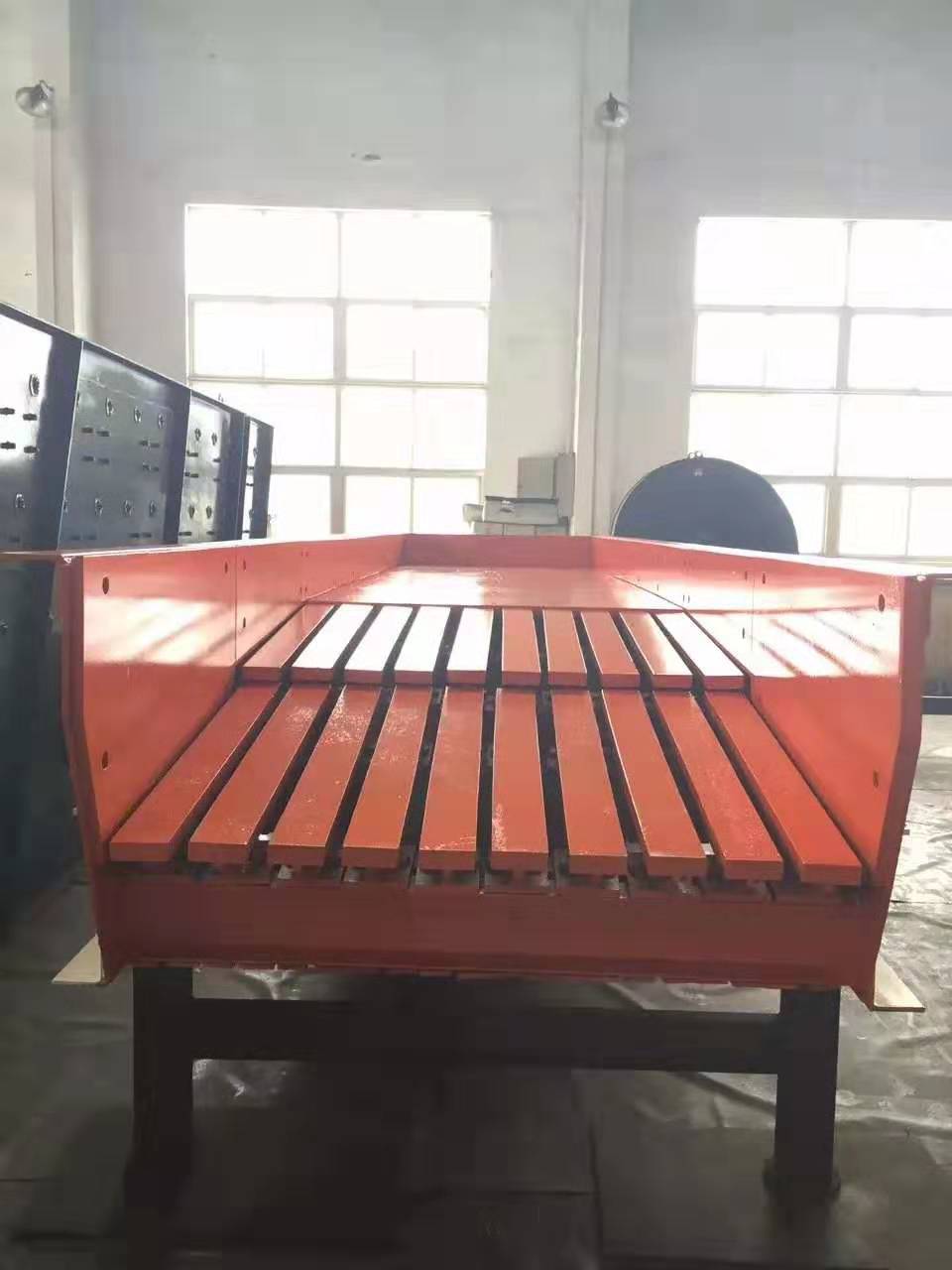
Solutions: Install a variable speed feeder to match the crusher’s capacity; use a vibrating feeder with a grizzly bar to remove oversized material before it enters the crusher; control the feed rate according to the crusher’s load.
2. Material Properties: Moisture, Clay and Sticky Materials
Materials with high moisture content or containing clay and sticky soil tend to clump together, sticking to the crusher walls and causing blockages.
Causes: Wet, sticky materials that cannot flow freely through the crushing chamber.
Solutions: Dry the material if possible; use a pre-screening process to remove fine, sticky material before feeding; adjust the crusher speed to improve material flow; use a crusher designed for sticky materials, such as a double-toggle jaw crusher.
3. Wear Parts and Crusher Condition
Worn or damaged wear parts can reduce the crushing efficiency and lead to blockages.
Causes: Worn jaw plates, cone liners, or impact blow bars that cannot effectively crush material, leading to oversized particles that jam the discharge gap; damaged crusher bearings or loose components that cause vibration and uneven crushing.
Solutions: Regularly inspect and replace worn wear parts; check for loose bolts and damaged components during maintenance; ensure the crusher is properly lubricated to maintain stable operation.
4. Incorrect Discharge Gap Setting
A discharge gap that is set too small for the feed material will cause oversized particles to get stuck in the crushing chamber.
Causes: Adjusting the gap too small without considering the feed size and material hardness.
Solutions: Re-adjust the discharge gap to match the feed size and material characteristics; for cone crushers, increase the closed side setting if blockages occur frequently.
5. Emergency Troubleshooting for Blockages
If a blockage occurs:
Stop the crusher and feeder immediately, and lock out the power source.
Never attempt to clear the blockage while the crusher is running.
Use a hydraulic ram or air lance to clear the material safely.
Identify the root cause (overfeeding, wear, material) before restarting the plant.
Most crusher blockages are preventable with proper feed control, regular maintenance, and correct equipment settings. By addressing the root causes and following safe troubleshooting procedures, you can minimize downtime and keep your crushing plant running efficiently.
107reservation successful
Which Factors Should Be Considered When Choosing Between a Jaw Crusher and a Hammer Crusher for Basalt Processing?

When discussing sand production processes, two primary methods often come into focus: dry sand making and wet sand making.

The Workflow of a High-Pressure Grinding Mill
Which Factors Should Be Considered When Choosing Between a Jaw Crusher and a Hammer Crusher for Basalt Processing?
When discussing sand production processes, two primary methods often come into focus: dry sand making and wet sand making.
The Workflow of a High-Pressure Grinding Mill
Which Factors Should Be Considered When Choosing Between a Jaw Crusher and a Hammer Crusher for Basalt Processing?
When discussing sand production processes, two primary methods often come into focus: dry sand making and wet sand making.
The Workflow of a High-Pressure Grinding Mill
50R&D engineers
1000+user case representatives
41ypes of products are exported overseas
200+large and medium-sized digital devices
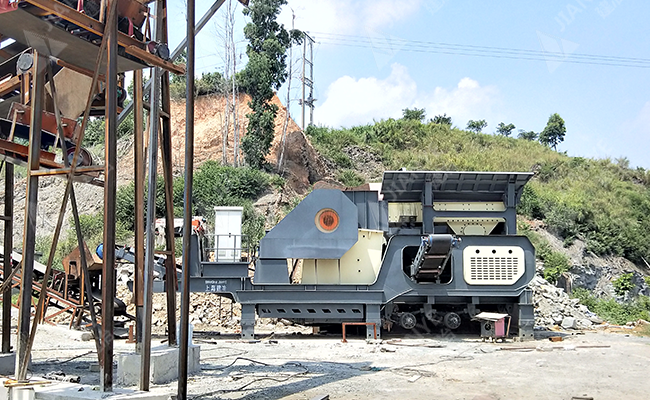
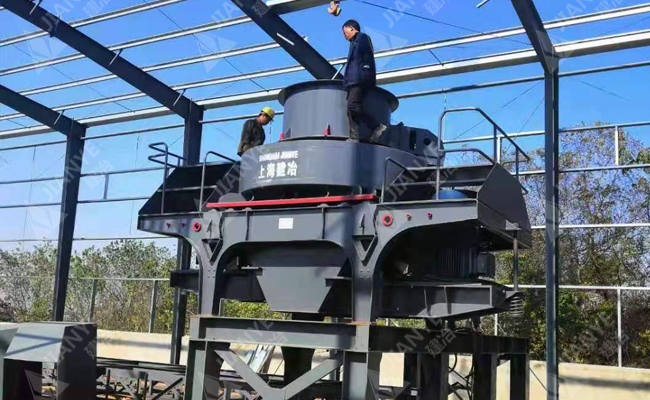
The user purchased two sets of sand production line, each set of equipment includes ZSW490*110 vibrating feeder, PE750*1060 jaw crusher, HST250 single-cylinder cone crusher, JYS1238 sand making machine, YK2460 vibrating screen, 3016 sand washer and so on.
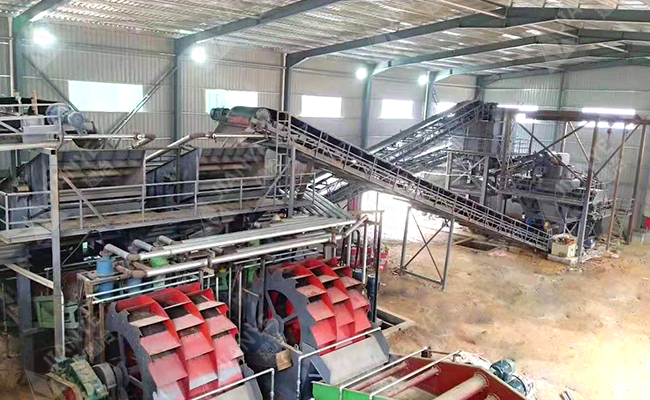
The designed capacity of this sand making project is 200t/h, and the equipment used includes 490*110 vibrating feeder, PE750*1060 jaw crusher, PF1315 impact crusher, 9928 sand making machine, two sets of 2460 vibrating screen, two sets of 920 single screw sand washer, two sets of XSD2816 sand washer, two sets of dewatering screen, and several belt conveyors.
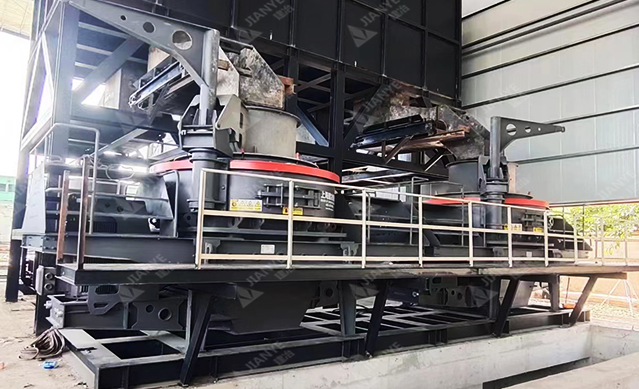
Project configuration: Jaw Crusher PE900*1200, Cone Crusher HST315T, Vertical Shaft Impact Crusher VSI6X1263, Heavy Duty Vibrating Screen 2YKZ3080/3YKZ3080, Vibrating Feeder ZG1220Z/ZSW1360, Twin Screw Sand Washer 2XL1120, Bar Vibrating Feeder ZSW1360B, Bucket Wheel Sand Washing Machine DS4024, dewatering screen TS2450 many types of equipment. They will work together with the whole production line to crush and process the sand trap cobbles and mountain ores into natural sand, mechanism sand, and uniform material.
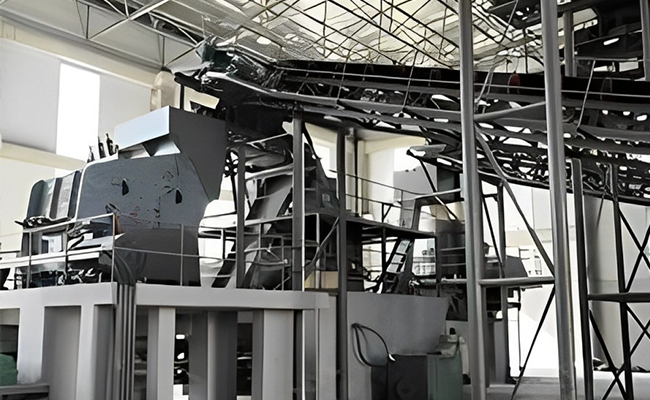
The finished products of the project are used for high-speed railway construction and neighbouring construction materials, which will strongly promote the local economic development. In the future, Jianye Heavy Industry Company will continue to give full play to its years of practical experience in the sand and gravel aggregate, construction waste resource reuse, industrial powder making, silica sand and other industries, as well as EPC one-stop turnkey services, to cooperate with customers and jointly promote the high-quality, healthy and sustainable development of the sand and gravel industry.
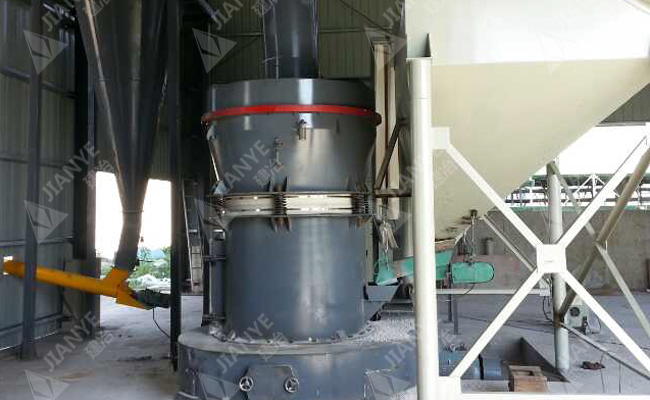
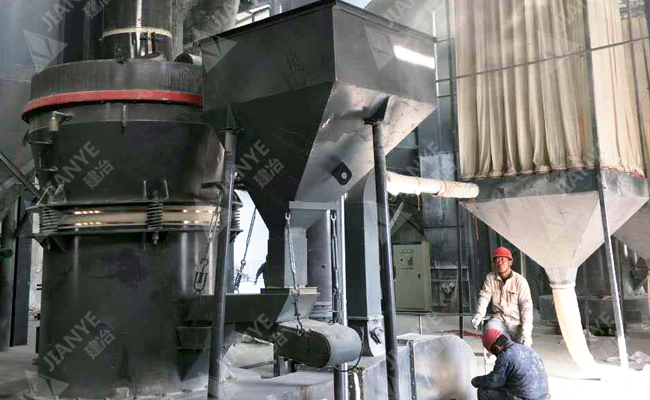
Jiangsu Rugao Calcium Powder Factory purchased two sets of Jianye 4121 high-pressure mills for the production of heavy calcium powder, which is mainly used in the filler industry and coating industry, and now it also maintains a close cooperation relationship with Jianye, and every year Jianye sends technicians or sales managers to visit the user.
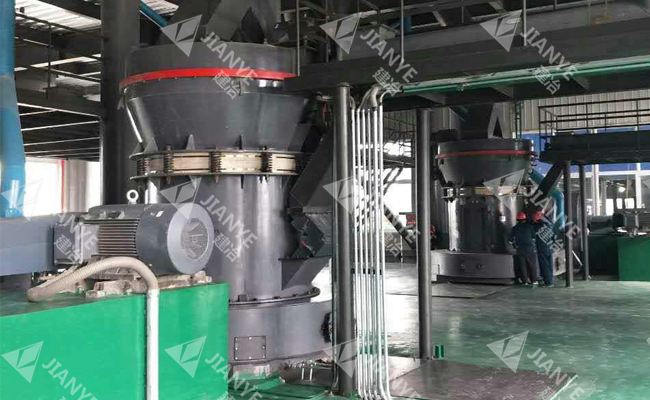
The user uses calcined petroleum coke to grind and make powder, and the finished coke powder is mainly used for processing graphite electrodes. In recent years, the price of coke powder rises, the user spends tens of millions of dollars to build a production line with an annual output of 60,000-100,000 tonnes of high-quality coke powder, which is the first phase of the project, using two sets of 6R4528 high-pressure grinding mills of Jianye Company.

Science and technology patent qualification

User case representative

Countries and regions coverage

Industry experience

Sold overseas
Product center
Customer case
News center