Wechat


+86-21-5032-5126


Location: Home > News > Technical knowledge > This page

 Project Introduction
Aiming at the sand and gravel aggregate production enterprises generally
have small production scale, low capacity, backward production
technology, serious environmental pollution and many other problems, the
current sand and gravel aggregate production line large-scale,
intensive, environmentally friendly demand is urgent. In this article,
we share the case of a limestone mechanism sand and gravel aggregate
production line with an output of 4000t/h per hour.

Process Introduction
Coarse Crushing
According to the project's annual mining and processing capacity and the geographical conditions of the mine, two impact crushers with a capacity of ≥2,000t per hour are selected as the coarse crushing equipment with high output per hour, high crushing ratio, small compression area, and good granularity of crushed materials.
The impact crusher is suitable for crushing rocks with medium hardness and abrasive index, with the advantages of simple structure, large crushing ratio, even and cubic product size, relatively low fines rate (5% lower than that of the same capacity of hammer crusher + impact crusher), strong reliability, high cost performance, and suitable for the production of high-quality products. For limestone, which is mainly calcium carbonate, it is the ideal choice for high efficiency, high reliability and environmental protection.
Second Crushing
The second crusher is mainly used to process the material on the screen after the screening of the first crusher, and the selection is mainly based on the quality characteristics of the material after the first crusher. According to the recommendations of the equipment selection of many professional design institutes and the comparison of the effect of the equipment manufacturers, the two-stage crushing (i.e., the combination of the impact crusher (the first crusher) + the impact crusher (the second crusher)) is the most suitable for the quality of this project because of the high rate of the finished product and the good particle size. Four impact crushers with a capacity of ≥600t per hour were selected.
Sand making
The sand making equipment selects impact crusher, also known as sand making machine, which adopts the working principle of stone hitting stone. Let the stone in the natural descent process and after the impeller accelerated thrown out of the stone mutual collision, to achieve the purpose of crushing. And the accelerated stones and natural falling stones collide to form a vortex, and return to the process of crushing twice. Stone from the upper part of the machine directly into the high-speed rotating turntable, under the action of high-speed centrifugal force, and the other part of the umbrella shunt in the turntable around the target stone, resulting in high-speed impact and high-density crushing, stone in each other's strikes, will form a vortex movement between the turntable and the casing caused by the repeated mutual strikes, friction, crushing, and finally discharged from the lower part of the straight through.
Desliming process
The desliming process is based on the use of a roller screen with a good screening effect. The screening layer of the roller screen consists of a certain number of rollers, which can convey, roll and loosen lumpy materials. The fines are screened out through the roller gap and the bulk material is conveyed through the upper layer of the roller screen, which together with the desliming screen can control the soil content and the methylene blue value very well.
Screen and Select
1. Aggregate screening
Aggregate screening process selection of circular vibrating screen, circular vibrating screen is characterised by high screening efficiency, large capacity, suitable for large particle size screening, large-scale production use.
2. Screening of manufactured sand
Mechanism sand screening process selection of high-frequency sieve, screen vibration, the screen body does not move, high-frequency sieve frequency can be as high as 4000-4200r/min, is the ordinary sieve (frequency is generally 800-1200r/min) more than 4 times. The same amount of feed, the same size of the screening machine, high-frequency screen on the material layer is thinner, is conducive to the material to obtain better stratification effect. Adopting the process of impact crusher, vertical shaft impact crusher, circular vibrating screen, high-frequency screen and composite powder selecting, it reduces the content of powder and fines, and makes it convenient to adjust the size of discharged material, and the produced mechanism sand and gravel has good particle shape, reasonable grading, and low methylene blue, which can satisfy the high-quality demand of key projects.
107reservation successful
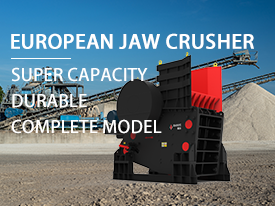
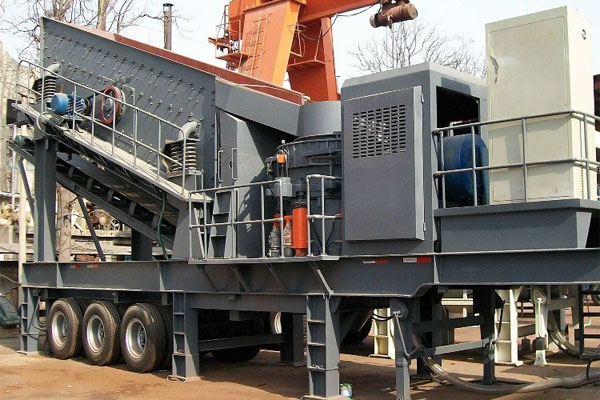
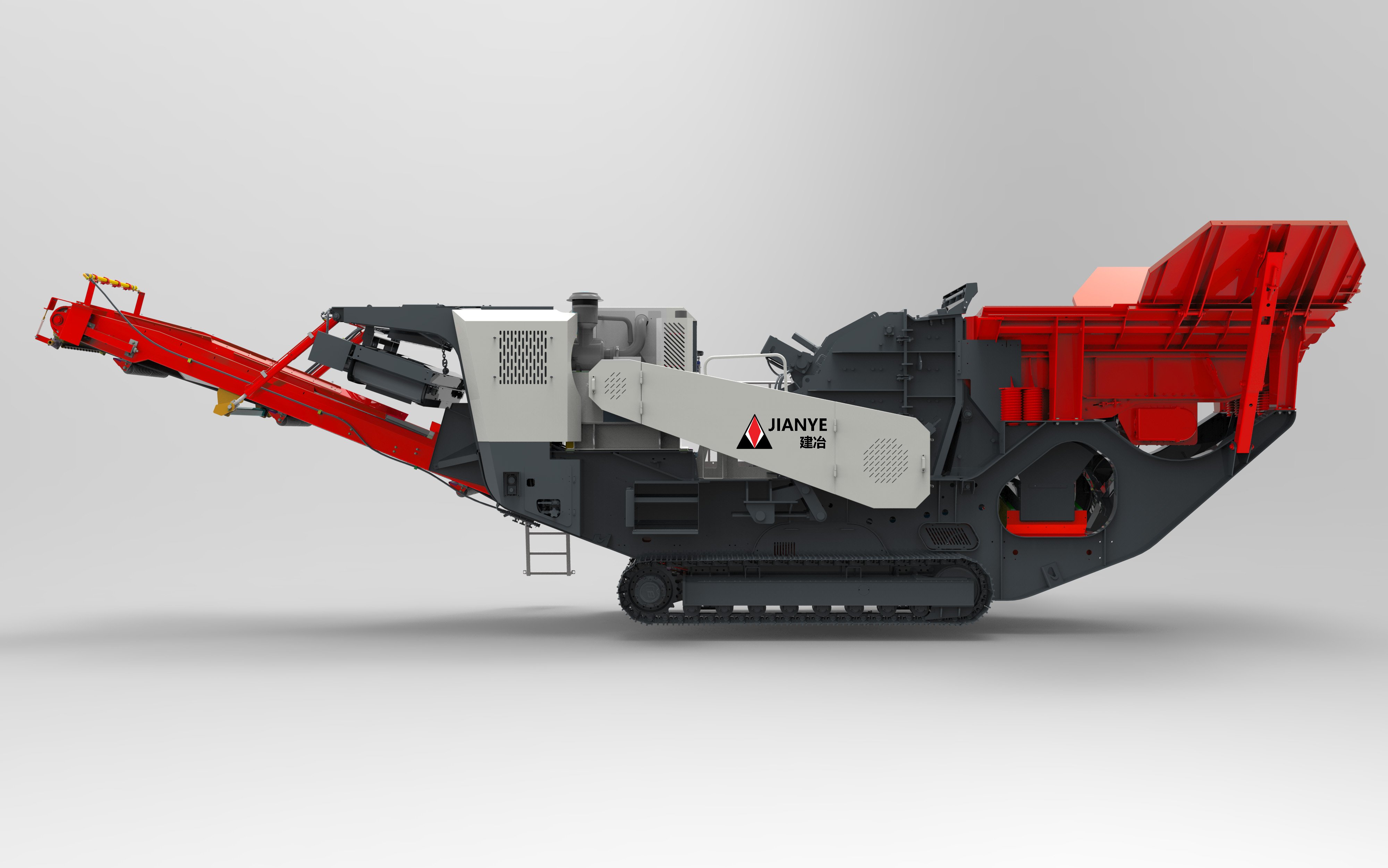
Mobile crusher is a one-stop crushing equipment for stone crushing with flexibility and mobility, which is one of the indispensable equipments for modern construction, and is widely used in mines, construction sites, road construction and other fields.
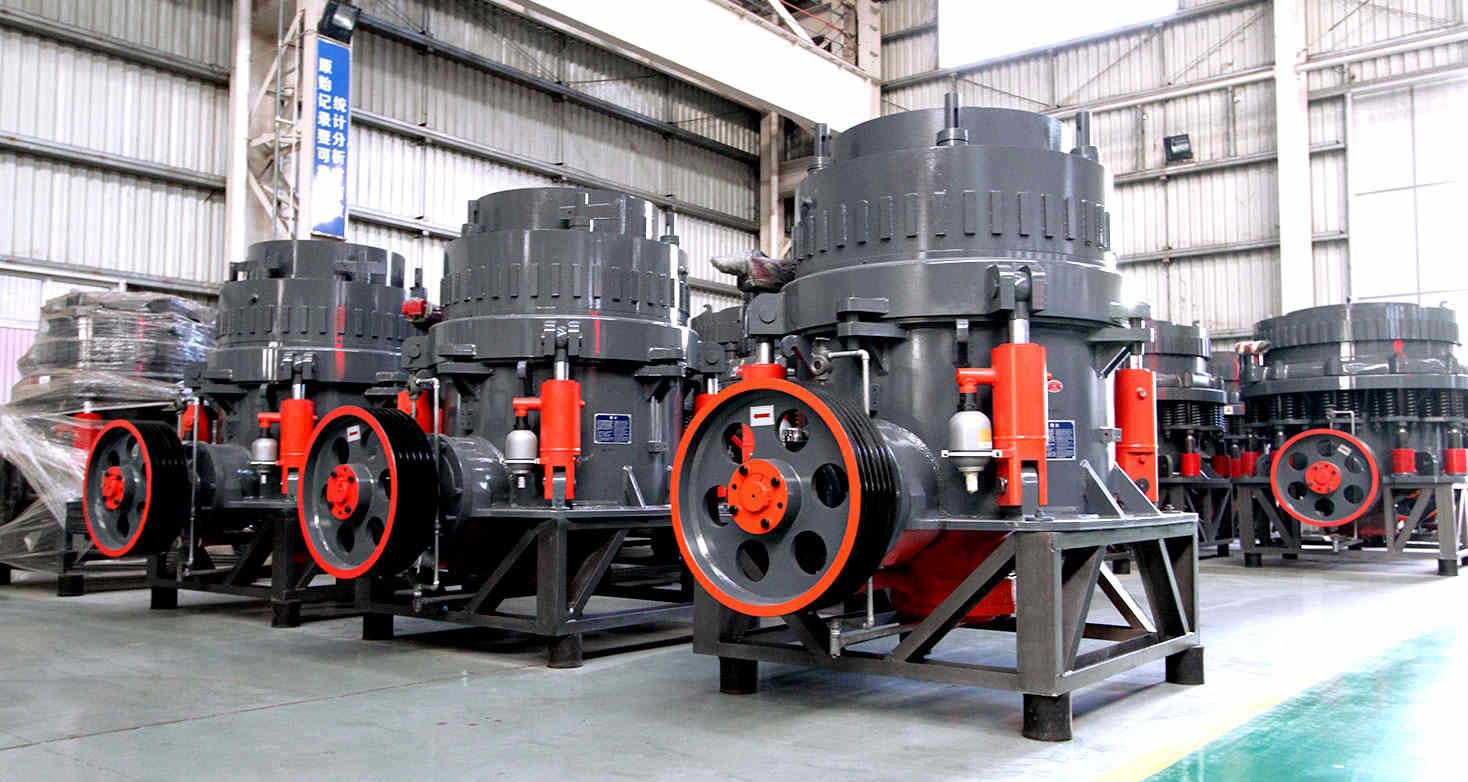
At present, the domestic mechanism of sand technology is being updated and improved day by day, in response to market demand, research and development and production of cone sand making machine in the field of sand production has been widely used, known as pebble sand making tool.

Kaolin Raymond Mill is a high-tech skill grinding equipment, which can process raw materials into micron or nano-scale micro-powder, and has been widely used in various industries. Such as mining, building materials, chemical industry, metallurgy and other industries, can be limestone, calcite, barite, chemical raw materials, such as Moh's hardness is not greater than 7, humidity in the following 6% of more than 300 kinds of non-inflammable and explosive materials for grinding and processing, the finished product granularity of 30-800 mesh can be adjusted between.
Mobile crusher is a one-stop crushing equipment for stone crushing with flexibility and mobility, which is one of the indispensable equipments for modern construction, and is widely used in mines, construction sites, road construction and other fields.
At present, the domestic mechanism of sand technology is being updated and improved day by day, in response to market demand, research and development and production of cone sand making machine in the field of sand production has been widely used, known as pebble sand making tool.
Kaolin Raymond Mill is a high-tech skill grinding equipment, which can process raw materials into micron or nano-scale micro-powder, and has been widely used in various industries. Such as mining, building materials, chemical industry, metallurgy and other industries, can be limestone, calcite, barite, chemical raw materials, such as Moh's hardness is not greater than 7, humidity in the following 6% of more than 300 kinds of non-inflammable and explosive materials for grinding and processing, the finished product granularity of 30-800 mesh can be adjusted between.
Mobile crusher is a one-stop crushing equipment for stone crushing with flexibility and mobility, which is one of the indispensable equipments for modern construction, and is widely used in mines, construction sites, road construction and other fields.
At present, the domestic mechanism of sand technology is being updated and improved day by day, in response to market demand, research and development and production of cone sand making machine in the field of sand production has been widely used, known as pebble sand making tool.
Kaolin Raymond Mill is a high-tech skill grinding equipment, which can process raw materials into micron or nano-scale micro-powder, and has been widely used in various industries. Such as mining, building materials, chemical industry, metallurgy and other industries, can be limestone, calcite, barite, chemical raw materials, such as Moh's hardness is not greater than 7, humidity in the following 6% of more than 300 kinds of non-inflammable and explosive materials for grinding and processing, the finished product granularity of 30-800 mesh can be adjusted between.
50R&D engineers
1000+user case representatives
41ypes of products are exported overseas
200+large and medium-sized digital devices
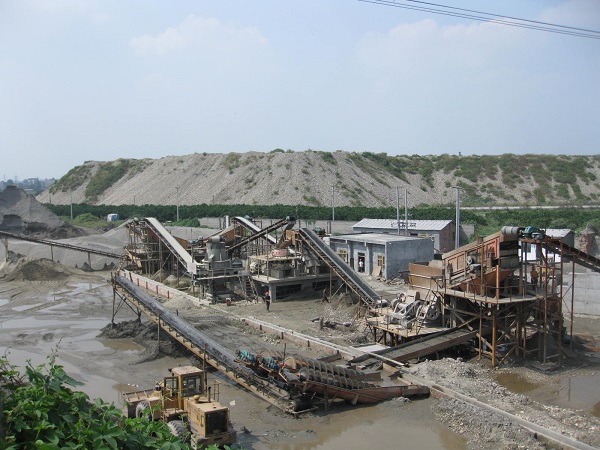
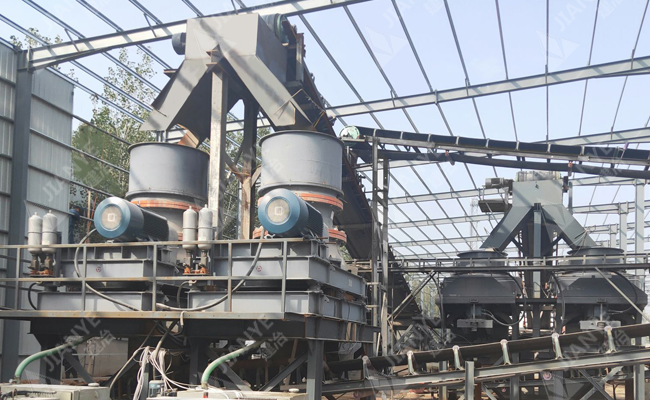
The rocks are harder because of there is iron ore inside. The project uses 600*130 vibrating feeder, PE1000*1200 jaw crusher, two HST300 single cylinder cone crusher two, two JYS1238 sand making machine, four vibrating screen, four sand washing machine, one sand recovery machine, capacity design is 300t/h.
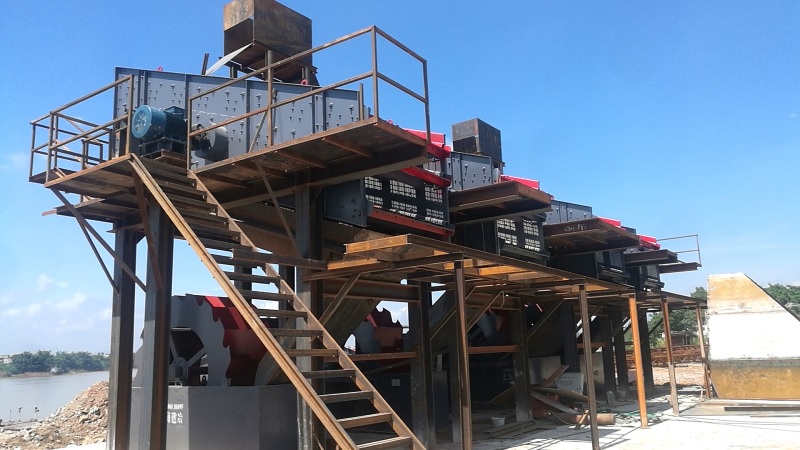
This project is a sand making production line with an hourly output of 200 tons. The equipment used includes vibrating feeder, single cylinder cone crusher, multi-cylinder cone crusher, sand making machine, 4 vibrating screens, 4 sand washing machines and sand recovery&dehydration integrated machine.
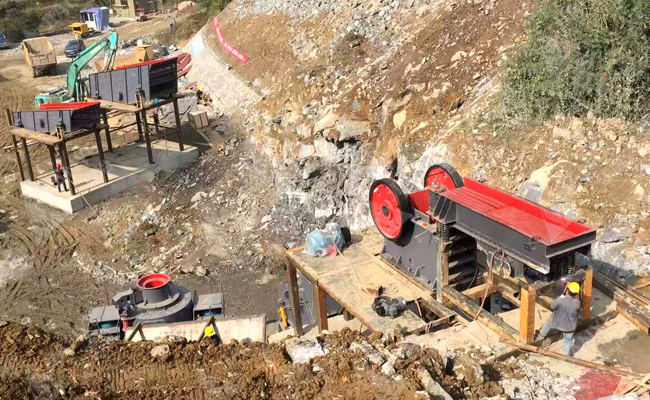
The equipment aspect of this project includes PE870*1060 jaw crusher, PF1515 impact crusher, JYT5145 sand making machine and two 2470 vibrating screens. The equipment is used for limestone crushing and sand making. Shaanxi Province is rich in limestone resources and has many limestone aggregate plants, and this set of equipment from Jianye Company has good feedback in the local area.
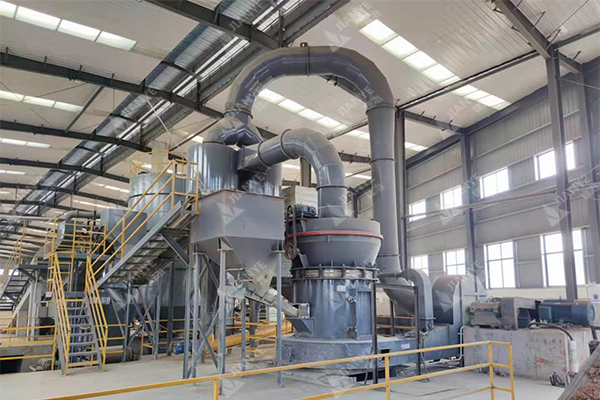
The production line adopts the high-pressure mill and environmental protection equipment produced by Jianye Heavy Industry, using advanced grinding process technology to start the construction of an annual output of 50,000 tonnes of slag micro-powder production line project.
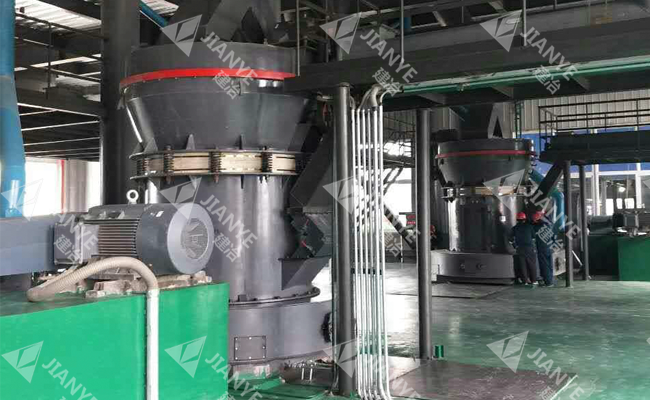
The user uses calcined petroleum coke to grind and make powder, and the finished coke powder is mainly used for processing graphite electrodes. In recent years, the price of coke powder rises, the user spends tens of millions of dollars to build a production line with an annual output of 60,000-100,000 tonnes of high-quality coke powder, which is the first phase of the project, using two sets of 6R4528 high-pressure grinding mills of Jianye Company.
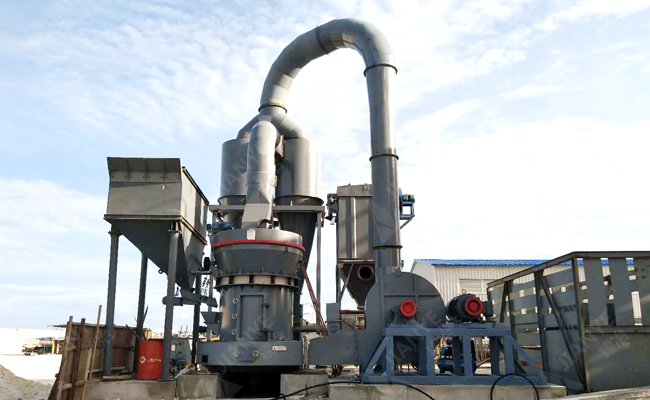
The project is mainly used for grinding limestone, gypsum and other soft materials. The equipment chosen is Jianye 4528 grinding mill with a fineness of 200 mesh and a capacity of 12t/h.
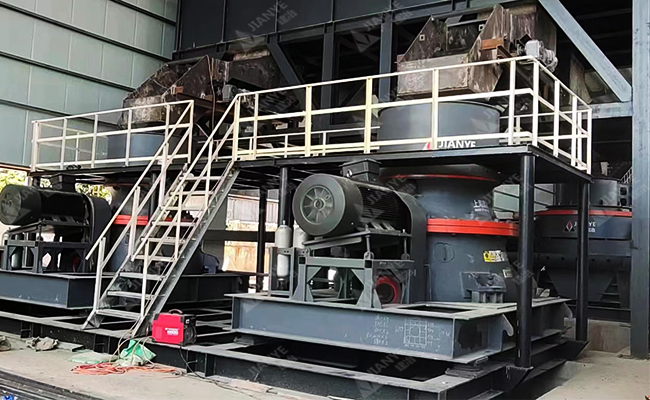
Project configuration: Jaw Crusher PE900*1200, Cone Crusher HST315T, Vertical Shaft Impact Crusher VSI6X1263, Heavy Duty Vibrating Screen 2YKZ3080/3YKZ3080, Vibrating Feeder ZG1220Z/ZSW1360, Twin Screw Sand Washer 2XL1120, Bar Vibrating Feeder ZSW1360B, Bucket Wheel Sand Washing Machine DS4024, dewatering screen TS2450 many types of equipment. They will work together with the whole production line to crush and process the sand trap cobbles and mountain ores into natural sand, mechanism sand, and uniform material.

Science and technology patent qualification

User case representative

Countries and regions coverage

Industry experience

Sold overseas
Product center
Customer case
News center